Professional Activities
This page highlights activities beyond my research, including teaching, academic service, and observational work.
Teaching
I have been involved in teaching across undergraduate courses in astronomy and physics, supporting students through tutorials, laboratory work, and coursework guidance.
Introduction to Astronomy & Astrophysics
Led tutorial sessions · Prepared and explained problem sets · Graded assignments / exams
Python for Scientists (Block course)
Guided students on homework problems · Evaluated and graded assignments
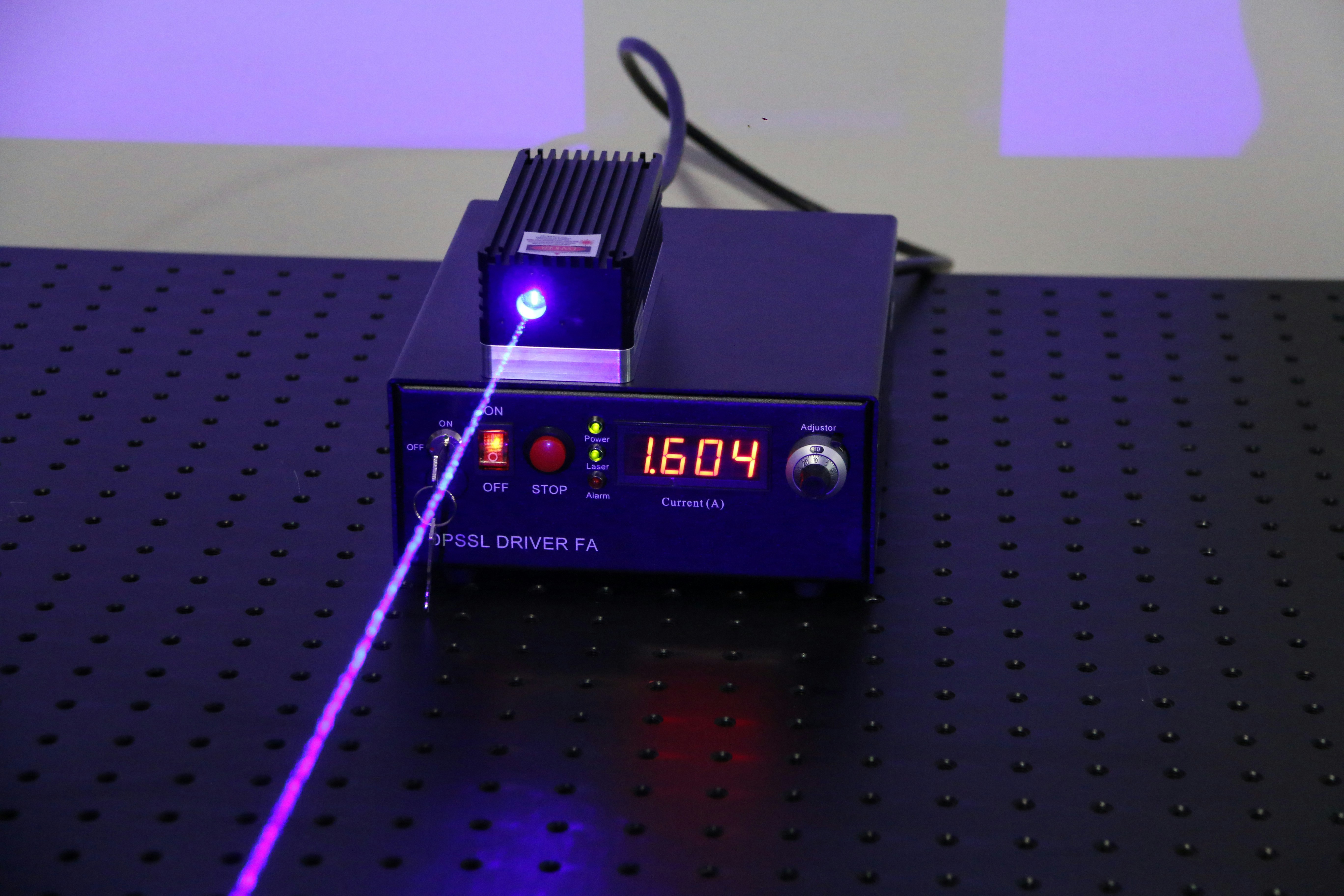
Advanced Physics Laboratory I
Supervised experiments (Vacuum, Photoelectric Effect, Zeeman Effect) · Graded laboratory reports
Academic Service - Student Representative
I am currently a student representative at the Max Planck Institute for Astronomy (MPIA) in Heidelberg, Germany (student page here: page), serving as a point of contact for students who wish to raise concerns or discuss issues within the institute. In this role, I facilitate communication between the student community and the institute, contribute to discussions on student-related matters, and support community initiatives.
Observing Experience
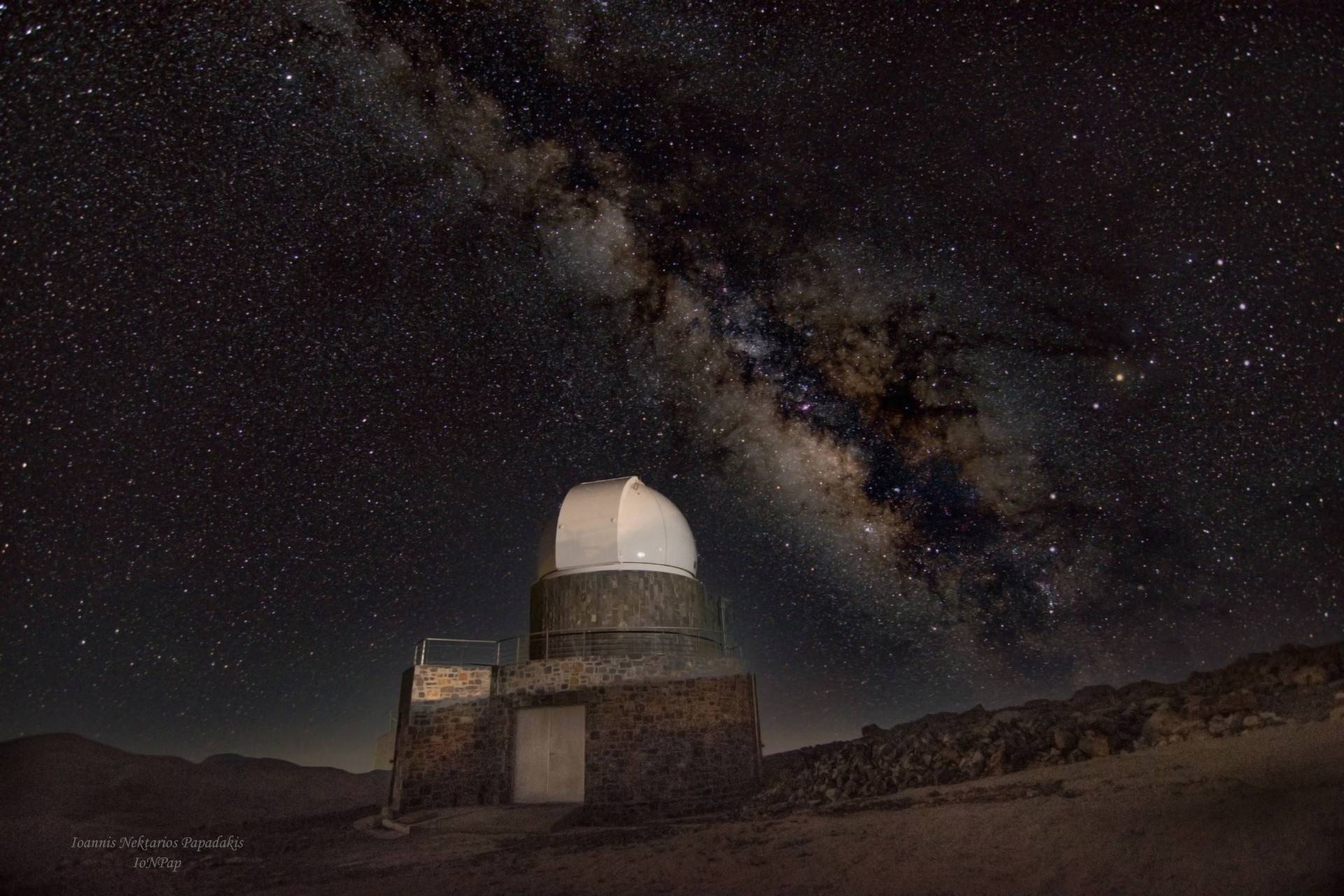
(Credit: Ioannis Nektarios Papadakis)
During my undergraduate studies, I had the opportunity to carry out observations at the Skinakas Observatory in Crete over three observing seasons between 2021-2023 (~65 nights).
My work focused on Be/X-ray binaries, and in particular on studying the circumstellar disks around the Be star companions. The observations were conducted using the 1.3m Ritchey–Chrétien telescope and involved a combination of photometry, spectroscopy, and polarimetry.
I took part in the observations, working with the telescope and instruments, and later processing and analysing the data. This provided hands-on experience in observational astronomy and contributed to a deeper understanding of Be/X-ray binary systems, leading to two co-authored publications.